
How a Prior Aggravated DWI Impacts Your DWAI Charge
In New York, many people think a DWAI (Driving While Ability Impaired) is a break compared to a DWI. For a first-time offender, that’s often true. But that changes quickly if you have a prior alcohol-related conviction, especially a prior Aggravated DWI. What looks like a lower-level charge can still lead to serious consequences, particularly when it comes to your driver’s license.
What Happens With a First-Time DWAI
A first-time DWAI is a traffic infraction, not a crime. It usually results in:
- A fine,
- A 90-day license suspension, and
- Completing courses with the DMV.
This could change, however, if you have a prior Aggravated DWI.
The Big Difference: What Changes With a Prior Aggravated DWI
| Scenario | Current Charge | License Consequence | What It Means |
| No prior alcohol-related offense | DWAI | 90-day suspension | Must complete the Impaired Driver Program and pay fees; reinstatement typically granted |
| Prior Aggravated DWI (within 10 years) | DWAI | Minimum 18-month revocation | Must reapply; approval not guaranteed |
Why Your Prior Record Matters
The New York DMV does not just look at your current case – it looks at your entire driving history. If you have a prior Aggravated DWI within the last 10 years, even a DWAI will be treated much more seriously. Instead of a short suspension, you are facing an enhanced penalty: a long-term revocation.
The more alcohol-related offenses on your record, the harsher the penalties become. Multiple offenses can lead to longer revocations, and in some cases, drivers may face permanent loss of driving privileges.
Suspension vs. Revocation
Many people don’t realize how important this distinction is between a suspension and a revocation. A suspension is temporary and will eventually be lifted. However, a revocation is far more serious. It can be long-term and, in some cases, permanent.
If your license is revoked, you don’t just wait it out. You have to reapply for a license and get approval from the DMV’s Driver Improvement Unit. And approval is not guaranteed. Before the DMV allows you to drive again, you may have to complete an alcohol or substance abuse evaluation. You may also have to finish treatment or education programs. There are also fees and reapplication costs which must be paid.
The Bottom Line If You’re Charged With DWAI
A DWAI may look like a minor outcome in court – but with a prior Aggravated DWI, it can trigger a lengthy license revocation that significantly impacts your ability to work, travel, and manage daily life.
If you are facing a DWAI and have a prior Aggravated DWI, it’s important to understand both the criminal case and the separate DMV consequences before making any decisions. To schedule a consultation, contact Pappalardo & Pappalardo, LLP at (914) 725-7000. You can also reach our team at info@pappalardolaw.com.
References:
- NYS Division of Motor Vehicles, Penalties for Alcohol or Drug-Related Violations. Available at: https://dmv.ny.gov/points-and-penalties/penalties-for-alcohol-or-drug-related-violations (last accessed March 25, 2026).
- NYS Division of Motor Vehicles, Suspensions and Revocations. Available at: https://dmv.ny.gov/points-and-penalties/suspensions-and-revocations (last accessed March 25, 2026).
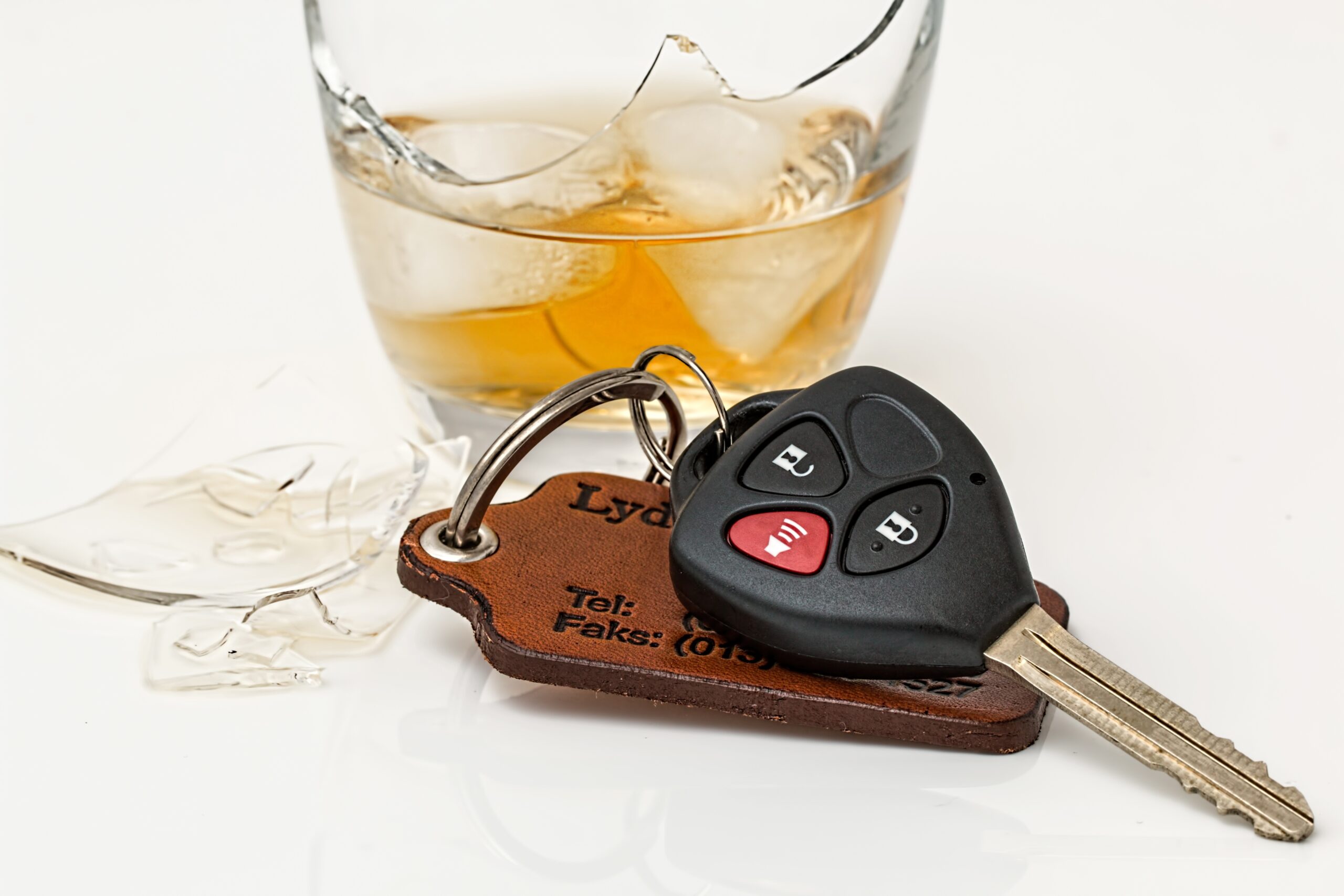
Image: Free public domain CC0 photo.